Careers that help feed the world – Part 1: Where science meets purpose
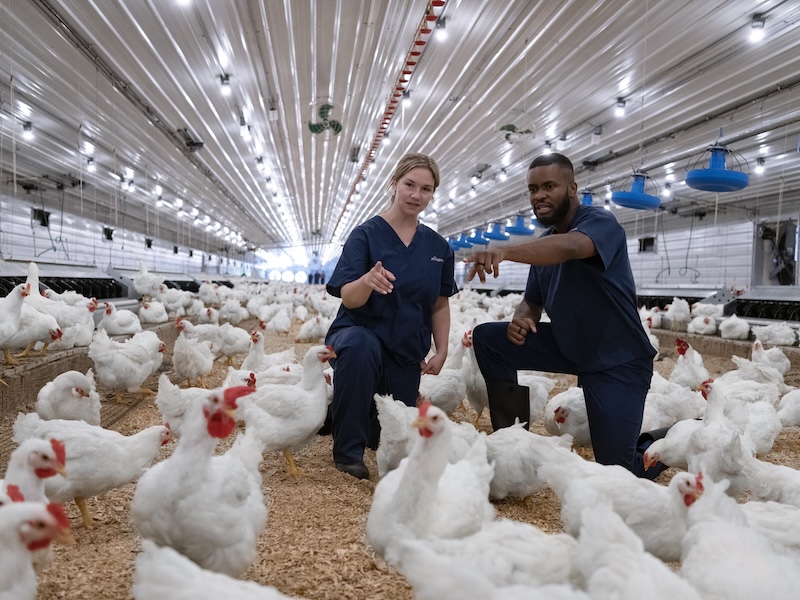
What if your career could help feed the world?
With more than 8 billion people on the planet — and nearly 10 billion expected in the decades ahead — demand for affordable, nutritious animal protein continues to grow.
Today, poultry plays a central role in meeting that need. For the first time, chicken has become the world’s most consumed meat, valued for its affordability, versatility and nutritional benefits.
Behind every chicken is a global community of people working together to ensure a reliable food supply. Poultry breeding is part of agriculture’s science-driven global poultry industry that connects people across research, animal care, logistics, sustainability and international collaboration.
For those entering the sector, it offers something unique: the chance to build a meaningful career.
Poultry breeding – the science behind healthier, more sustainable chickens
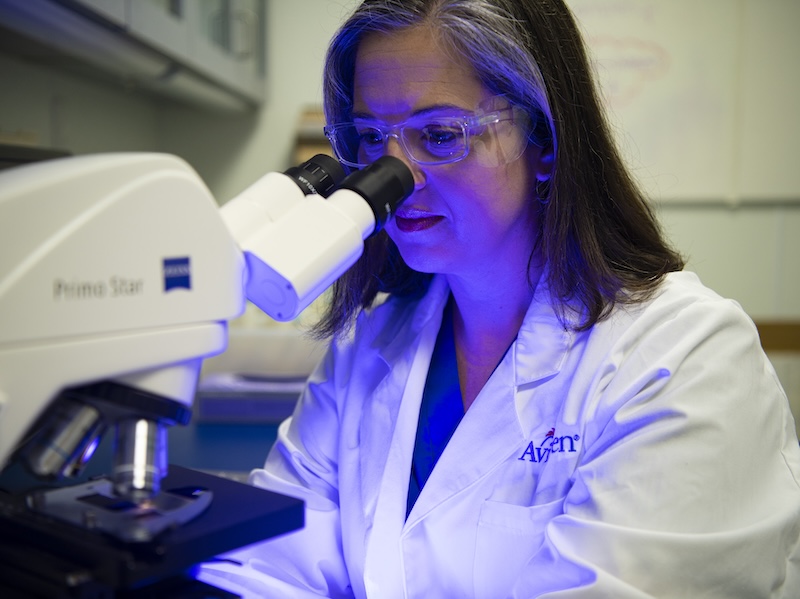
At the heart of the poultry sector is breeding — a field that blends science, data and long-term thinking. Modern breeding programs focus on balanced progress, supporting chicken health, welfare, efficiency and resilience, while also reducing the environmental footprint of poultry production.
This work is driven by specialists across many disciplines. Geneticists study traits linked not only to animal health and performance, but also to feed efficiency and robustness. Data analysts work with large datasets to guide careful, evidence-based decisions. Research scientists explore ways to strengthen bird welfare, improve resource use and lower environmental impact, while breeding specialists bring these insights together into long-term programs that deliver steady improvement over generations.
By selecting for chicks that grow efficiently, stay healthy and adapt well to different environments, breeding helps poultry producers use fewer natural resources such as feed, water and land, while producing affordable, nutritious food.
Together, these efforts help ensure chickens remain healthy, productive and adaptable — supporting both animal welfare and a more sustainable food system.
Caring daily for chickens
Science alone cannot deliver results. Poultry production also depends on skilled professionals who care for the birds and manage daily operations.
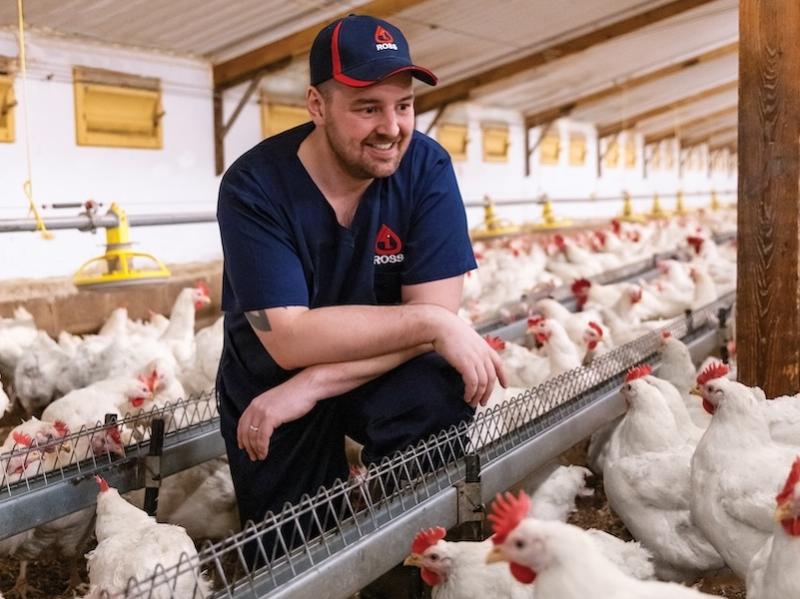
Hatchery managers and incubation specialists oversee the process of hatching healthy chicks. Live production teams and farm managers look after day-to-day flock management, care for birds throughout their lifecycle, while maintaining optimal conditions.
These roles require precision, discipline and strong practical skills. Responsible animal care means maintaining strict biosecurity routines, monitoring flock health closely and responding quickly to changing conditions.
Many of these careers are hands-on roles that rely on experience, training, practical expertise, and work ethic, and not all require a four year college degree. What they all share is a commitment to animal care, dedication to producing healthy birds, and meaningful work—helping feed the world.
Protecting animal health and welfare
Healthy chickens are essential to a resilient food supply.
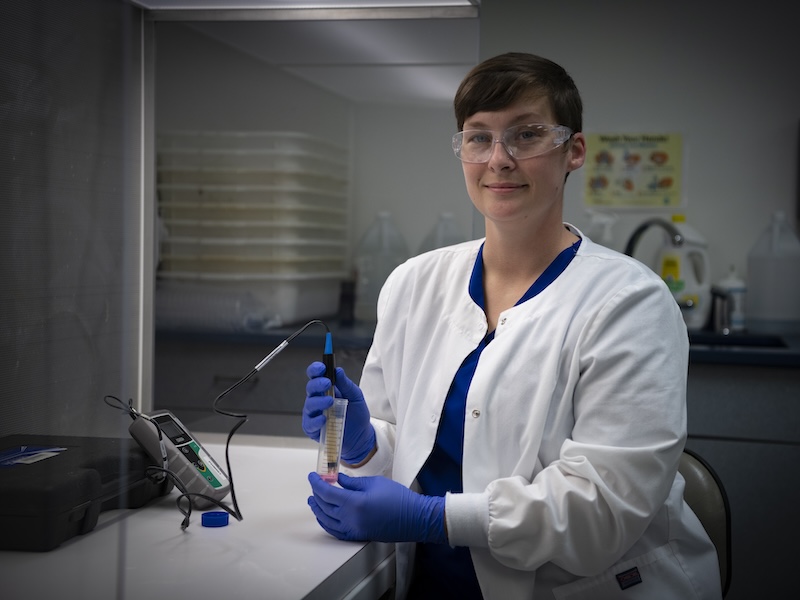
Disease prevention and welfare are therefore central priorities across the poultry sector. Veterinarians monitor flock health and guide prevention programs. Welfare auditors help ensure chickens are raised under high standards of care. Biosecurity specialists design protocols that protect flocks from disease risks, while laboratory teams analyze samples to provide insight into their health.
Nutritionists develop balanced diets that support growth, resilience and wellbeing.
Together, these professionals contribute to prevention-led production — a proactive approach that protects bird health while helping producers maintain consistent performance.

A global ecosystem beyond the chicken farm
The poultry sector extends far beyond farms and hatcheries. It is part of a global system connecting science, logistics, sustainability and international trade.
Export and compliance professionals coordinate the safe movement of breeding stock across borders. Logistics specialists manage transportation networks linking poultry producers worldwide. Sustainability experts analyze environmental impacts and identify ways to improve efficiency, while life cycle analysts study poultry production’s role in responsible food systems.
Information technology (IT) teams build digital platforms allowing global teams to share data and insights in real time.
Behind the scenes, marketing and communications professionals, finance, human resources, and business leaders help keep this complex ecosystem running smoothly.
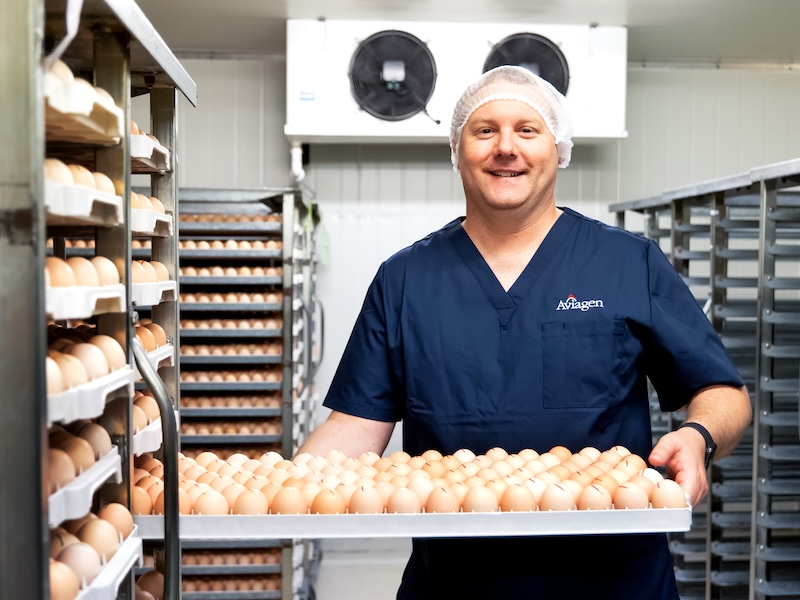
Looking for a Career with Purpose?
For those seeking meaningful, fulfilling work, poultry offers a unique opportunity.
Food production is one of society’s most essential systems, providing stability and long-term career opportunities. As the global population grows, the demand for skilled professionals across the poultry sector will only increase.
For the next generation of talent, poultry production is a field where innovation, responsibility and opportunity come together. It gives motivated individuals the chance to develop new skills, grow professionally, and advance within the industry, building a career that makes a real difference.
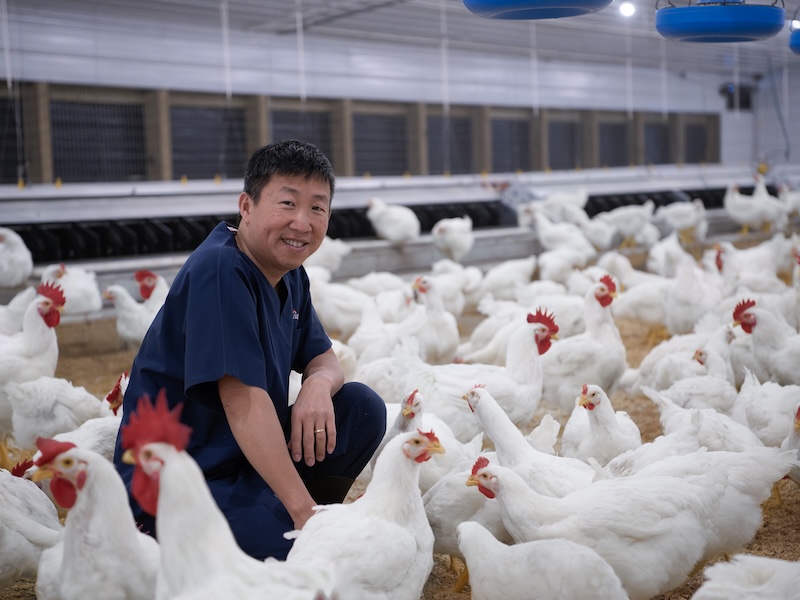
Could a career in poultry be part of your future?
In our next article, Careers that help feed the world: Investing in people and knowledge, we’ll look at how training, mentorship and knowledge sharing help develop poultry professionals while strengthening the industry and the communities it serves.
To discover how you can grow your career while helping support global food security, check out the Aviagen Careers website.