Weathering uncertainty: Breeding resilience through feed efficiency
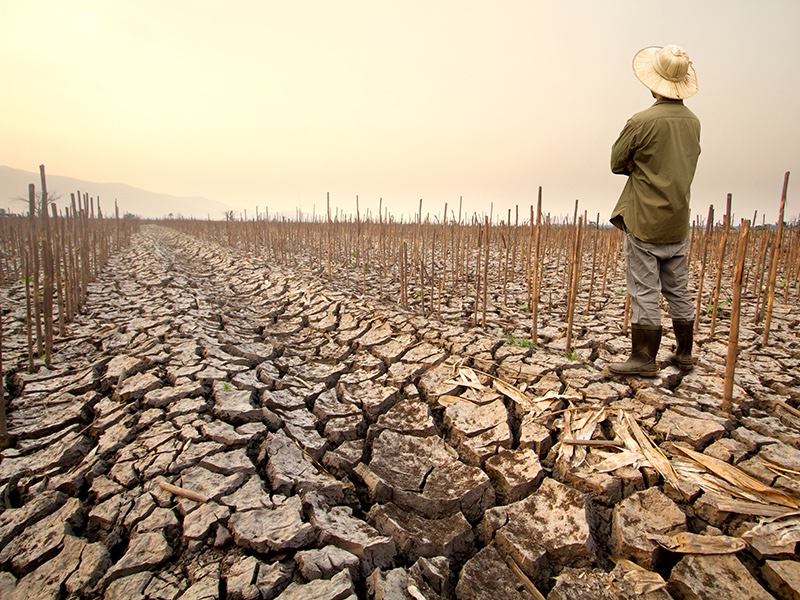
A shift in weather patterns in one region of the world can be felt far beyond the fields where crops are grown.
The current El Niño pattern is a reminder of how closely linked the global food chain is—from temperatures and rainfall that influence crops such as corn, wheat and soybeans, which are important ingredients in poultry feed, to the poultry producers raising chickens that provide nutritious protein for communities around the world.
El Niño is a naturally occurring climate pattern that affects regions differently. Its impacts are often felt across the Americas, the Pacific Rim, Southeast Asia, Australia and parts of Africa, with each event bringing its own mix of drought, excessive rainfall or extreme temperatures. Because many agricultural supply chains are connected globally, changes in crop production in one region can influence feed availability and markets in another. These shifts can influence agricultural output and water availability, with downstream effects on animal welfare and added complexity for poultry producers (source).
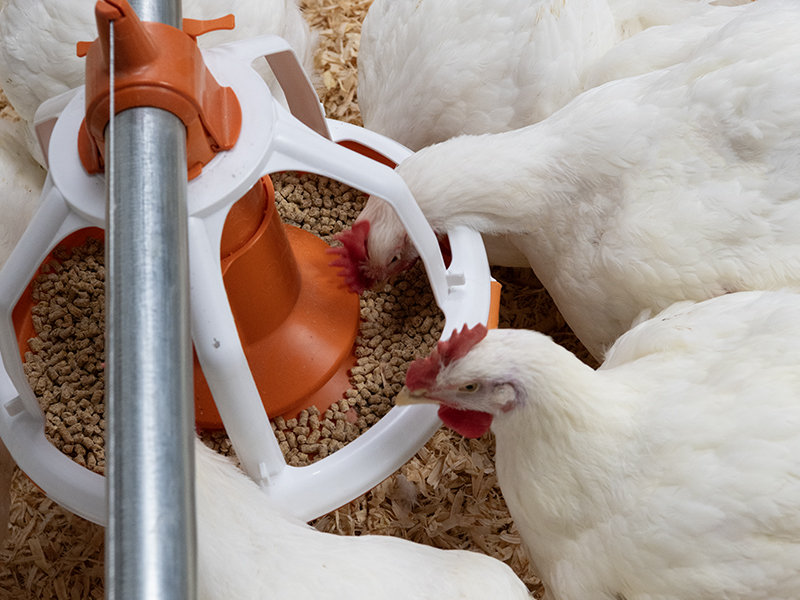
Focusing on what poultry producers can control
Strong grain inventories, improved forecasting and careful planning can lessen the impact of El Niño. Even so, climate variability is a reminder that some challenges remain beyond a poultry producer’s control (source).
What producers can do is focus on increasing resilience through good flock management, nutrition, biosecurity and efficient use of resources. Because feed is the largest input in poultry production, improving feed efficiency through balanced breeding and good management is especially important. Feed conversion ratio (FCR) is a measure of how effectively birds convert feed into healthy growth. But in an increasingly unpredictable environment, feed efficiency means much more—It is a tool for resilience.
With every gain in feed conversion, producers can use available resources more efficiently, contributing to more sustainable poultry production and long-term food security. Better feed conversion also means crops and land are used more efficiently to produce the same amount of nutritious chicken. Because feed and water consumption are closely connected, advancements in feed efficiency can also support more efficient use of water—an important consideration in regions where changing weather patterns can affect water availability.
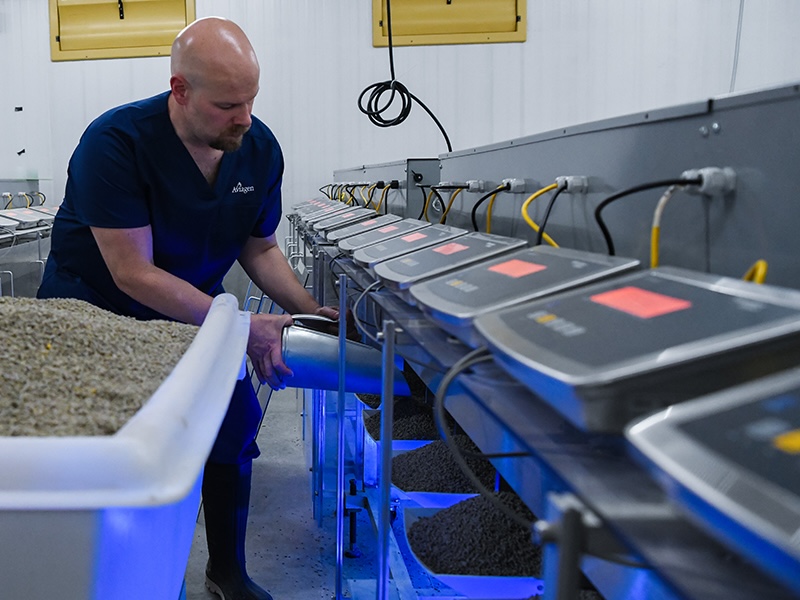
How balanced breeding and good management improve feed efficiency
Efficient use of feed has been a long-term focus of balanced breeding. Through careful selection, Aviagen works to enhance FCR while simultaneously advancing other important traits such as animal health, welfare, robustness and reproductive performance.
This progress happens gradually, generation after generation, but its value is significant. When multiplied across millions of birds, small gains in feed conversion can have a substantial impact—conserving valuable resources, reducing the environmental footprint of poultry production and allowing poultry producers to adapt to a changing environment.
Balanced breeding works hand in hand with effective flock management. As conditions change—from seasonal weather patterns to climate events such as El Niño—producers should review nutrition, ventilation, health programs and day-to-day husbandry so birds continue to thrive. These management practices help chickens achieve their genetic potential while supporting their welfare, even when circumstances become more demanding.
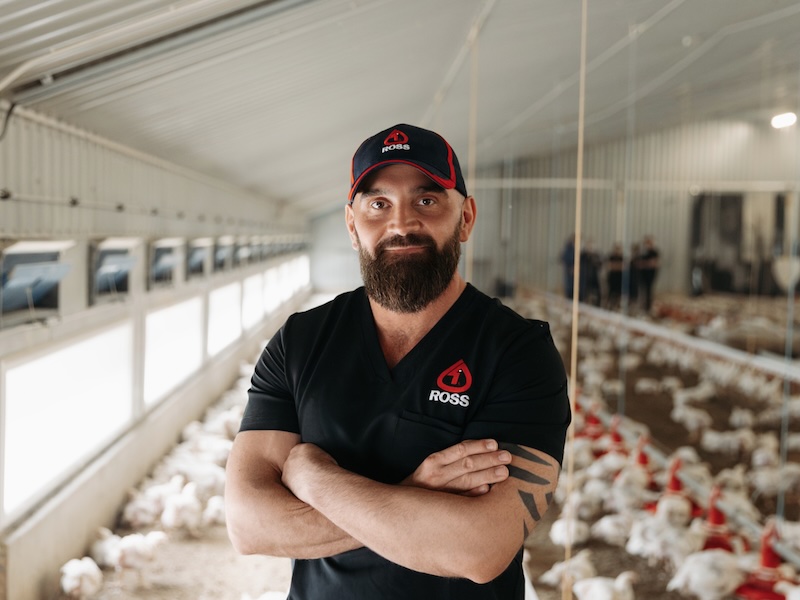
Building poultry production resilience for the future
Recent El Niño conditions are one example of the many uncertainties facing agriculture. Building a resilient poultry sector depends on various factors working together, including balanced breeding, nutrition, flock management and biosecurity.
Continuous genetic progress equips customers to meet today’s challenges and prepare for tomorrow’s by breeding for responsible use of resources while supporting a reliable supply of chicken protein worldwide.
In an unpredictable world, feed efficiency is more than a number. It is a practical way to enhance resilience, advance sustainability and enable poultry producers to keep feeding their communities — reflecting Aviagen’s commitment to Breeding Success Together.