Why animal welfare matters
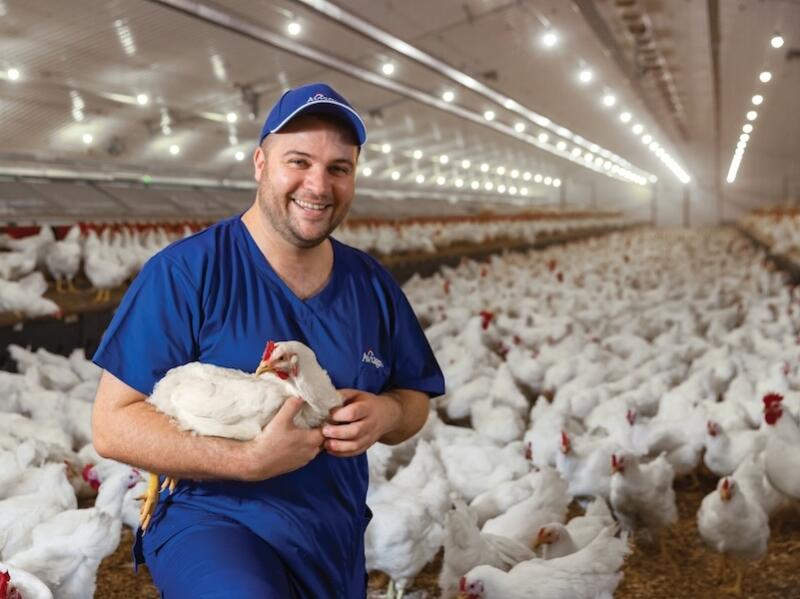
Healthy birds. Sustainable poultry. Protein for generations.
For generations, poultry producers have understood a simple truth: chickens that are well cared for are more likely to thrive. Today, science continues to build on that knowledge, enabling the poultry sector to continually improve welfare through balanced breeding and responsible management.
Giving chickens the best possible care is first and foremost an ethical responsibility. It is simply the right thing to do. Animal welfare, however, reaches far beyond the birds themselves. It contributes to economic and social sustainability and strengthens food security. Rather than competing priorities, animal welfare, responsible environmental stewardship and food security are closely connected.
Balanced breeding with bird welfare in mind
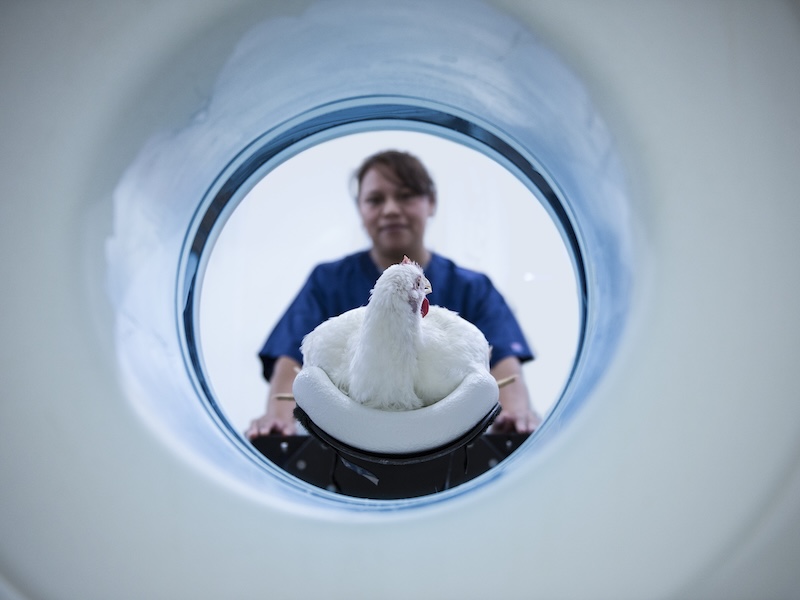
At Aviagen, balanced breeding advances welfare alongside health, reproductive fitness and production efficiency. This integrated approach recognizes that long-term progress depends on improving these priorities together.
More than one-third of Aviagen's breeding focus is dedicated to health- and welfare-related traits. Advanced technologies support better-informed breeding decisions. Tools such as CT scanning, pulse oximetry, genomics and Radio Frequency Identification (RFID) technology give valuable insight into bird health, welfare and efficiency, supporting balanced genetic progress and healthier, more robust birds.
Putting chickens first
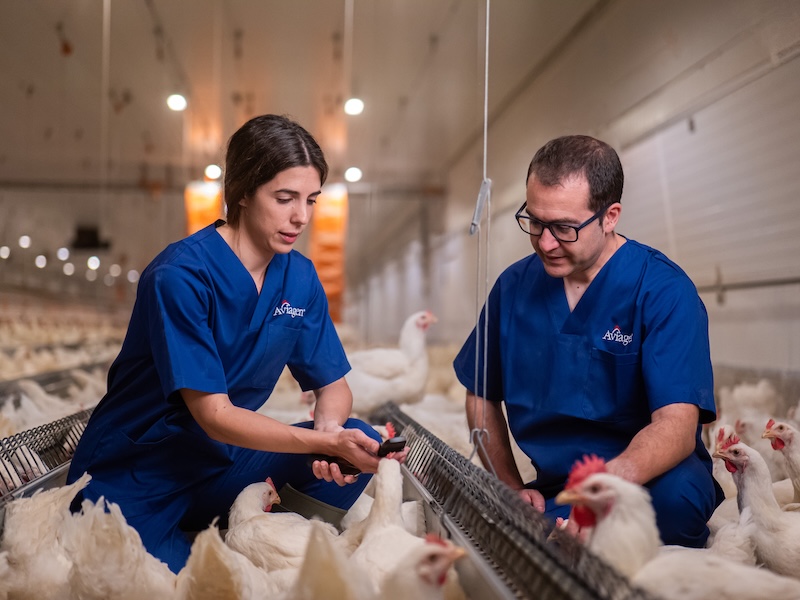
Animal welfare begins with meeting the needs of chickens. Proper nutrition, clean water, suitable housing, good environmental conditions, protection from disease, skilled stockmanship and attentive daily care provide the foundation. These essentials allow chickens to remain healthy, active and resilient across a wide range of production systems and climates.
While balanced breeding plays an important role in improving welfare over time, birds flourish when it is paired with excellent day to day flock management. Practices such as nutrition, biosecurity and flock management work alongside breeding to maintain health, welfare and overall wellbeing.
Healthy birds, better outcomes
Animal welfare starts with the chickens themselves, but its impact extends to poultry producers, consumers and the environment.
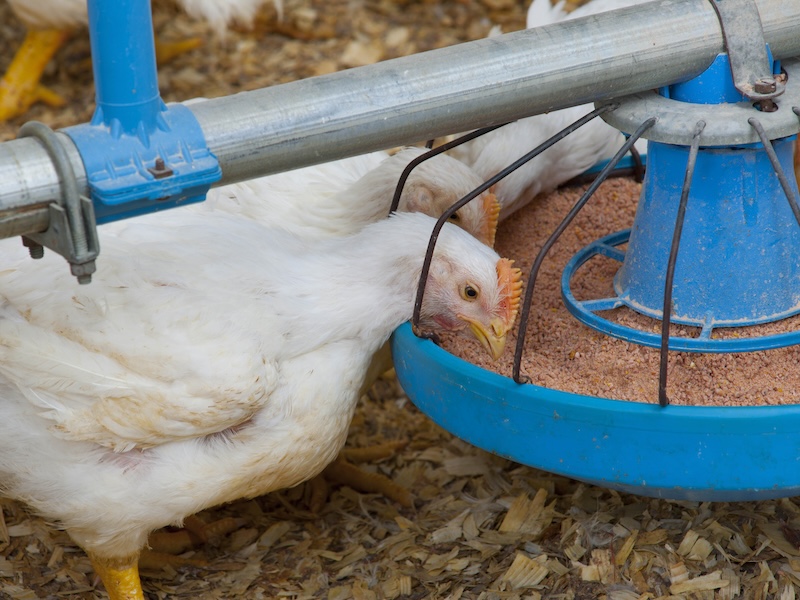
Birds in good health are better able to cope with disease challenges and have stronger livability. This allows poultry producers to reduce avoidable losses, improve flock health and productivity, and provide a reliable supply of affordable, nutritious chicken.
Good health and welfare also support efficient use of feed and water. By producing more nutritious animal protein with fewer resources, they conserve feed, land and water, reduce greenhouse gas emissions, bolster food security and support the long term sustainability of poultry production.
Measuring what matters
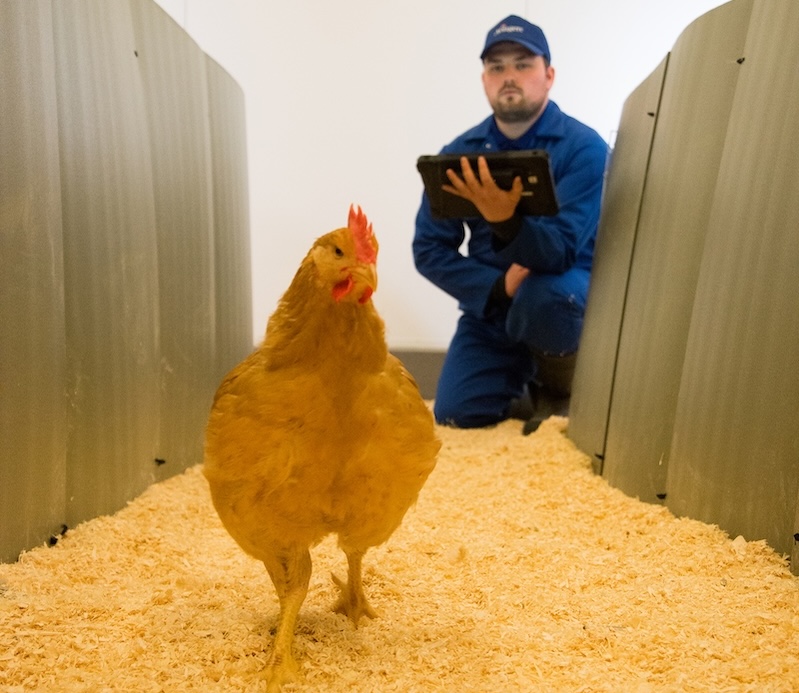
Continuous improvement depends on objective, science-based measurement.
Management expert Peter Drucker once said, "You can't improve what you don't measure."
Rather than relying on a single indicator, Aviagen evaluates a range of welfare-related traits, including leg, skeletal and cardiovascular health along with livability. Together, these measures give our R & D team the insight to make informed decisions, while customer feedback offers a clear picture of how birds perform under commercial conditions.
Doing the right thing – for today and tomorrow
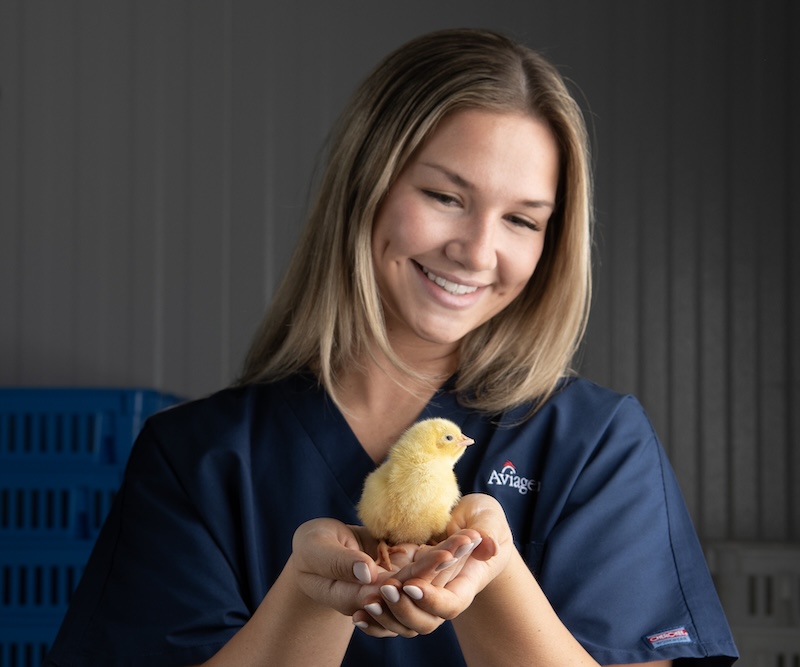
Consumers are increasingly interested in understanding where their food comes from and how it is produced. Open dialogue and science-based animal welfare practices help build trust while supporting a food system that is responsible, sustainable and capable of meeting growing global demand.
When chickens are healthy and thriving, the positive effects extend far beyond the flock. Farmers can maintain productive flocks, consumers can have higher confidence in how their food is produced, and future generations benefit from more sustainable food production.
Doing what is right for chickens ultimately means doing what is right for people and for the planet.